
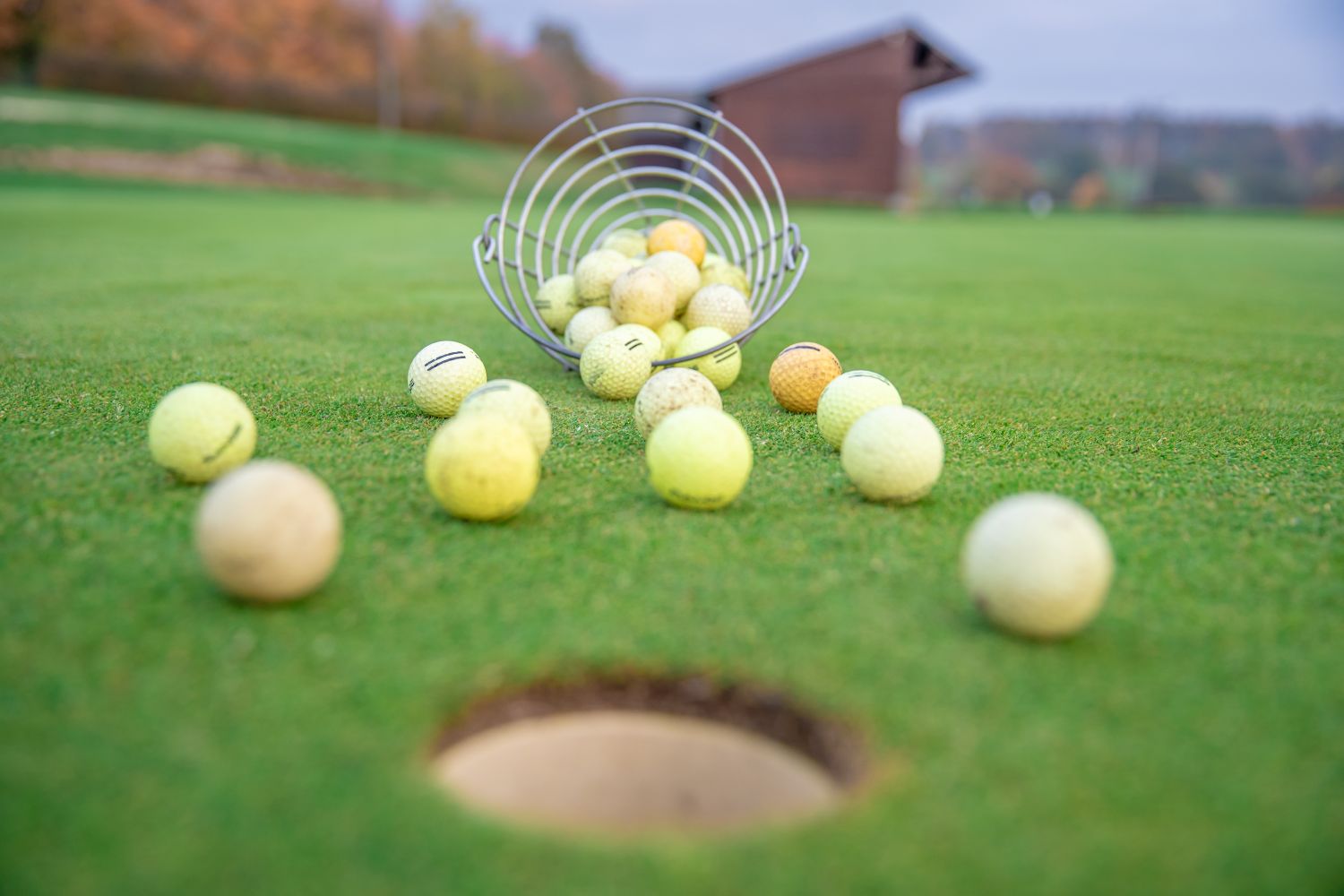
Tee Off with Precision: A Comprehensive Guide to Choosing the Perfect Golf Ball
Choosing the right golf ball can significantly impact your game, transforming each swing into a statement of precision and skill. With a plethora of options ranging from two-piece to four-piece designs, understanding the nuances of golf ball construction and performance characteristics is essential. This guide delves into the importance of selecting a ball that complements your skill level, playing style, and even weather conditions, ensuring you tee off with confidence and clarity. Discover how the right choice can elevate your golfing experience.
The Importance of Choosing the Right Golf Ball
Selecting the appropriate golf ball can lead to a reduction in shot dispersion by as much as 20%, thereby enhancing overall consistency in one’s game.
It is essential to understand how different golf balls affect performance, particularly for amateur players. Golf balls are classified by their construction-two-piece, three-piece, and four-piece-with each type engineered to provide varying levels of distance and feel.
For example, a two-piece ball generally offers greater distance due to its harder cover, making it an ideal choice for beginners who aim to maximize yardage. Conversely, a three-piece ball provides improved control and spin, which can be advantageous for players when approaching the green.
Engaging in experimentation with these different types during practice rounds can assist players in determining which golf ball aligns with their individual playing style most effectively.
Types of Golf Balls
Golf balls are available in a variety of constructions, each specifically engineered to accommodate diverse skill levels, playing styles, and performance requirements.
Two-Piece Balls
Two-piece golf balls, typically designed for distance, feature a solid core and a durable cover, making them particularly suitable for novice golfers. Brands such as Top Flite and Srixon produce high-quality two-piece golf balls specifically tailored for recreational players seeking maximum distance.
For example, the Top Flite XL Distance is an excellent choice due to its low compression core, which provides a soft feel while maximizing carry distance. Similarly, the Srixon Soft Feel includes a resilient cover that enhances durability without compromising performance.
When selecting a golf ball, it is important to consider your swing speed; softer balls are more appropriate for slower swings, while firmer options are advantageous for faster swing speeds. This consideration will help ensure that you choose the most suitable ball for your game.
Three-Piece Balls
Three-piece golf balls incorporate a layer between the core and cover, providing a balance of distance and control that is particularly beneficial for intermediate players.
For instance, the Srixon Q-Star utilizes a soft, resilient core designed to enhance ball speed, while its durable urethane cover contributes to increased spin and control around the greens. This combination enables players to achieve superior performance on the greens without compromising distance.
In a similar vein, the Bridgestone e6 features a distinctive dual-layer design that minimizes drag, resulting in improved stability and accuracy. By selecting a ball that aligns with their playing style, players can enhance their overall performance, making three-piece balls a prudent investment for those seeking to improve shot precision and feel.
Four-Piece Balls
Four-piece golf balls incorporate advanced technology tailored for professional golfers, featuring multiple layers engineered to optimize performance across all shot types.
For instance, the Titleist Pro V1 is designed with a soft urethane cover that enhances control around the greens, complemented by a high-speed core that increases ball speed. This particular golf ball delivers exceptional spin rates, enabling golfers to manage their shots more effectively in proximity to the green.
Conversely, the Callaway Chrome Soft X is engineered to produce lower spin off the driver while still providing impressive control through its dual-core system. The distinctive composition of each ball caters to various playing styles; therefore, testing both options can assist players in identifying the best fit for their game.
Understanding Golf Ball Construction
The construction of a golf ball plays a critical role in determining its performance characteristics, making it essential to comprehend the properties of both the core and cover materials.
Core Materials
The core of a golf ball can be composed of rubber, polybutadiene, or other composite materials, which directly influence the ball’s compression and overall feel.
Rubber cores typically provide a softer feel and lower compression, making them suitable for players with slower swing speeds, such as beginners. Conversely, polybutadiene cores offer a firmer feel, making them more appropriate for players with higher swing speeds, as they deliver enhanced distance and control.
For instance, a golf ball with a compression rating of 70 is more suitable for players whose swing speeds are below 85 mph, while a ball rated at 90 is advantageous for those with swing speeds exceeding 100 mph. Understanding one’s swing speed is essential for selecting the appropriate ball, thereby ensuring optimal performance on the course.
Cover Materials
Golf balls are generally constructed with either Surlyn or urethane, each material serving distinct playing styles.
Surlyn covers, such as those utilized in the Titleist NXT ball, are particularly suited for beginners or high-handicappers who prioritize durability and lower spin rates, thereby promoting a straighter flight path. On the other hand, urethane covers, exemplified by the TaylorMade TP5, provide enhanced grip and spin for advanced players who require greater precision on the greens.
Ultimately, the decision between these materials depends on one’s skill level and playing style. For those seeking forgiveness and longevity, Surlyn is the preferred choice; conversely, for individuals aiming for control and feel, urethane is the optimal option.
Factors to Consider When Choosing a Golf Ball
Selecting the appropriate golf ball necessitates careful consideration of several factors, including the player’s skill level, playing style, and environmental conditions.
Player Skill Level
Beginners typically benefit from distance-oriented golf balls, whereas advanced players may prefer options that provide enhanced spin and control.
For those just starting, suitable choices include the Titleist DT TruSoft, which is engineered for maximum distance and a soft feel, or the Callaway Supersoft, known for its excellent launch characteristics.
Intermediate players might find the TaylorMade Soft Response appealing, as it balances distance with added spin to improve control around the greens.
Advanced players should consider the Pro V1 by Titleist, renowned for its exceptional spin capabilities and precise performance.
Each golf ball is designed to cater to specific skill levels and can significantly enhance overall gameplay. Therefore, it is crucial to select a ball that aligns with one’s current abilities and objectives.
Playing Style
A player’s style-whether aggressive or conservative-significantly influences their optimal choice of golf ball, which in turn affects their overall shot strategy.
For aggressive players who prioritize distance and control, a high-performance ball with low compression, such as the Titleist Pro V1, can provide enhanced spin and accuracy around the greens. Conversely, conservative players may opt for a softer ball, such as the Srixon Soft Feel, which offers greater forgiveness on mishits and contributes to a straighter flight path.
By assessing critical factors such as swing speed, prevailing course conditions, and individual play style, golfers can identify the most suitable ball for their needs, ultimately leading to improved performance and greater satisfaction on the course.
Weather Conditions
Weather variables such as wind, humidity, and temperature can significantly influence golf ball performance, thereby necessitating a careful selection of equipment based on prevailing conditions.
For instance, in colder weather, utilizing softer balls like the Titleist TruFeel may help maintain distance, as these balls compress more readily. Conversely, in windy conditions, opting for a firmer ball, such as the Callaway Chrome Soft X, can effectively reduce drag and enhance control.
Additionally, monitoring humidity levels is essential; during periods of high humidity, a ball like the Bridgestone Tour B is known to grip better on the clubface, thereby improving spin.
By tailoring ball selection to suit specific conditions, players can not only optimize their performance but also enhance their overall golfing experience.
Performance Characteristics of Golf Balls
Comprehending the performance characteristics of golf balls is essential for optimizing both distance and control during play on the golf course.
Distance vs. Control
Distance balls are specifically engineered to achieve maximum distance, whereas control balls are designed to excel in shot precision and spin. The selection of the appropriate ball is crucial for a player’s success.
For optimal distance, one may consider options such as the Titleist Velocity, which is designed for a high launch and low spin, resulting in increased yardage on drives. In contrast, control-oriented options like the TaylorMade TP5 are constructed with a softer cover, which enhances feel and spin around the greens.
Players should carefully evaluate their game. If the priority is on achieving powerful drives, distance balls may be the preferred choice. Conversely, if finesse and shot shaping are essential aspects of one’s playstyle, investing in control balls is likely to enhance short game performance.
It is advisable to incorporate both types of balls during practice rounds to assess their impact on overall performance.
Spin Rates
The spin rate of a golf ball significantly impacts short game performance, with various balls engineered to optimize spin for specific shots.
For example, the Titleist Pro V1 typically provides a high spin rate, making it particularly effective for delicate chips and soft landings around the green. In contrast, the Callaway Chrome Soft offers a balanced feel with a slightly lower spin rate, making it suitable for players who seek distance off the tee while maintaining control in their short game.
Additionally, the TaylorMade TP5x is designed to deliver a firmer feel while enhancing spin for lob shots.
It is advisable for players to test these models under different conditions to determine the best fit for their individual playing style and typical shot requirements.
Top Golf Ball Brands
A variety of brands provide golf balls specifically designed to meet the diverse needs of players, each featuring unique characteristics that address different performance requirements.
Brand Comparisons
Brands such as Titleist, Callaway, and Bridgestone offer unique products, each incorporating specific technologies designed to enhance performance for various types of golfers.
Titleist’s Pro V1, priced at approximately $50 per dozen, features a multilayer core that provides superior spin control. Callaway’s Chrome Soft, typically retailing for $40 per dozen, utilizes a graphene-infused dual core, which enhances both distance and feel. Bridgestone’s Tour B series, priced around $45, employs customizable ball fitting technology tailored to align with individual swing characteristics.
Each brand targets distinct golfing needs: Titleist caters primarily to professionals, Callaway is designed for all-around performance, and Bridgestone appeals to data-driven players. It is essential for golfers to understand their playing style in order to select the most suitable option for their game.